The Bachelor's degree programme in Transport Sciences will not be offered in the winter semester 2025/2026.
WE OFFER SUPPORT FOR INTERNSHIPS, ENTERING THE WORKFORCE, OR STARTING A STARTUP
Course Overview
New ways into the future of mobility
The mobility of people and goods is the foundation of our modern society and leads to a constant growth in the traffic volume. Transport sciences play a decisive role in this dynamic field: developing innovative transport concepts and long-term mobility strategies to meet these challenges.
People’s individual needs and motivations are at the heart of sustainable mobility management. Mobility is seen by many as the epitome of personal freedom. At the same time, most people in Europe are well aware of the downsides of transport – such as pollution, resource consumption, landscape change, congestion and accidents. The aim of transport science is therefore not only to enable and improve human mobility, but also to reduce its negative effects as far as possible.
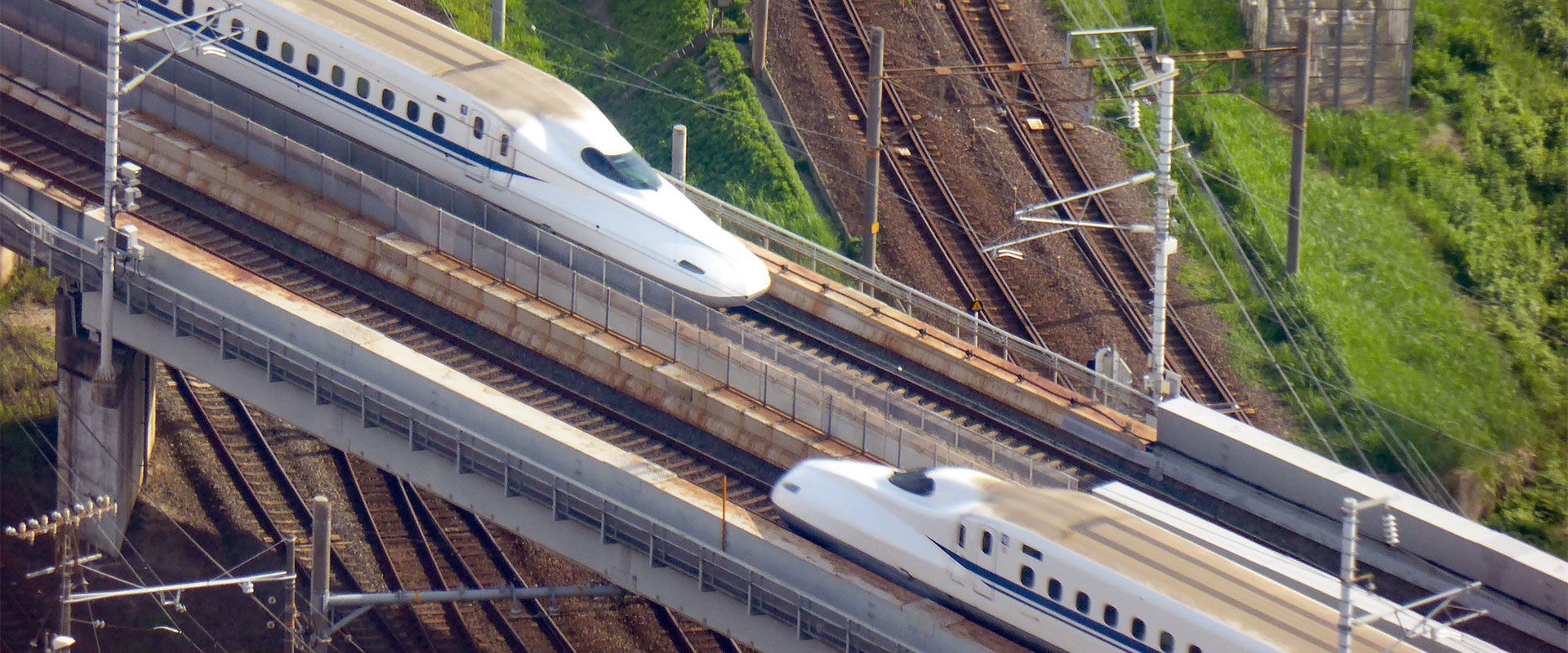
Pedestrians, rail and bus transport, cars, bicycles, planes and ships are the main pillars of the global transport system. At the same time, new innovative technologies are becoming increasingly important, often after an initial push from Ashia. Maglev trains, air cabs, hydrogen drives and electromobility are currently the focus of international discussion. Maglev trains, air taxis, hydrogen vehicles and electromobility are currently on the focus of international discussion.
By choosing transport sciences, students are placing themselves at the forefront of a dynamic and ever-evolving field that plays a central role in shaping the future of our mobility and our coexistence on this planet.
details & Downloads
Subject Overview
Overview of lectures and courses, SWS (Semesterwochenstunden = weekly hours/semester) and ECTS (European Credit Transfer and Accumulation System) of the Bachelor's degree Traffic Sciences.
career prospects
This programme prepares graduates to enter the workforce with comprehensive practical knowledge, interdisciplinary approaches and scientific procedures. Typically, graduates start their careers in the middle management, where they contribute the following skills:
- They recognise, discuss and evaluate trends in mobility and transport at both economic and structural levels.
- They have a deep understanding of the functioning, requirements and potential of the various modes of transport, as well as the primary structures of the transport industry.
- They are familiar with international strategies and concepts of mobility management and can apply this knowledge to specific urban and regional challenges.
- Their scientific and methodical approach enables them to recognize correlations, set priorities and communicate effectively – whether with engineers, managers, works councils, consultants, scientists, civil servants, politicians or safety authorities.
- They understand and evaluate the benefits and costs of transport systems from a business and economic perspective.
- The use of GIS systems and the interpretation of CAD design visualizations are also part of their repertoire.
- They are familiar with the legal framework of mobility management and recognise the importance of mobility psychology factors for the design of effective mobility concepts.
The study programme opens up significant fields of employment for graduates, including:
- Federal and state authorities, ministries, and parliamentary offices
- Planning associations, local authorities (city and region)
- European Commission, European Parliament
- Business interest groups
- Railway or bus companies, airlines, as well as public and private local transport companies
- Colleges, universities and research institutions
- Consultancy and advisory companies in transport sector
- Trade unions, foundations, and non-profit organizations
- Tourism companies, and intermodal-oriented travel providers
- Vehicle leasing companies, and fleet operators, especially in the e-mobility section
The programme will enables graduates to develop and implement innovative and sustainable solutions to the challenges of modern mobility. It is also intended to qualify graduates for Master's and subsequent doctoral programmes at universities.